Thursday, August 7, 2025

Commercial Construction Financing in 2025


Why Commercial Construction Financing Is So Challenging

Commercial-Construction-Financing-300x200.jpg

Commercial Construction Financing

Commercial construction projects are high-stakes ventures involving long timelines, complex logistics, and significant financial risk. From land acquisition to permitting and labor, funding is required before the project begins generating income—making these loans inherently risky in the eyes of most lenders.

Securing the right financing—and partnering with a reputable lender like FinanceBoston Inc.—can make the difference between stalled progress and project success.

Top Commercial Construction Financing Options

1. Commercial Construction Loans

These short-term, interest-only loans are designed to fund construction phases. Funds are disbursed through a “draw schedule,” triggered by milestone completions.

Common Types of Construction Loans:

  • Acquisition & Construction Loans – For purchasing land and building new structures.
  • Renovation or Expansion Loans – For updating or enlarging existing facilities.
  • Mini-Perm Loans – Bridge the gap between construction and permanent financing.

2. SBA Loans

The U.S. Small Business Administration backs these loans, making them a strategic option for small to mid-sized businesses.

SBA Loan Options:

  • SBA 504 Loans – Best for fixed asset purchases like land or buildings. Offers long-term, below-market fixed rates.
  • SBA 7(a) Loans – More versatile. Can fund construction as well as working capital and equipment purchases.

3. Traditional Bank Loans

Conventional financing offers favorable rates for qualified borrowers. However, expect rigorous underwriting, significant down payment requirements, and a need for strong financials.

4. Private Lending

Private lenders provide faster, more flexible access to capital—ideal for developers with tight timelines or less-than-perfect credit. In some cases rates are higher, but the speed and leniency in underwriting can be worth the tradeoff.

5. Grants & Incentives

Government grants and tax incentives may be available for certain projects, especially those focused on community development, green building, or revitalization. Programs like HUD’s Community Development Block Grants (CDBG) are worth exploring.

6. Equity Financing

For large-scale projects, raising capital from investors in exchange for ownership shares is a common strategy. While this reduces the developer’s control and share of future profits, it can provide necessary funding without taking on additional debt.

How the Draw Process Works

Construction loans release funds incrementally, aligned with verified project milestones. Each draw typically requires:

  • Inspection reports
  • Invoices
  • Lien waivers
  • Project update documentation

The Commercial Construction Loan Process: Step-by-Step

Commercial-Construction-Loan-Process-300x200.jpg

Commercial Construction Loan Process

1. Develop Your Business Plan & Scope – Include timelines, budgets, and ROI projections.
2. Gather Required Documentation – Financial statements, tax returns, permits, site plans.
3. Submit Loan Application – Apply through your preferred lender.
4. Undergo Underwriting – Includes credit analysis, risk evaluation, and collateral assessment.
5. Receive Conditional Approval – Lender outlines terms and required documentation.
6. Close and Initiate Draw Process – Begin funding construction in stages.

Understanding the Costs of a Commercial Build

Hard Costs:

  • Property acquisition
  • Materials and supplies
  • Construction labor
  • Equipment and machinery

Soft Costs:

  • Architectural and engineering services
  • Permit and inspection fees
  • Legal and accounting costs
  • Insurance and contingency reserves

How to Choose the Right Lender

Partnering with an experienced financial institution like FinanceBoston Inc. ensures a smoother process from application to final draw.

Evaluate Potential Lenders On:

  • Interest rates and fee structures
  • Industry experience
  • Approval and draw timelines
  • Flexibility in loan terms
  • Reputation and client reviews

Ask Questions Like:

  • What’s your typical turnaround for approval?
  • Do you offer loans for ground-up construction?
  • What’s your standard down payment requirement?
  • Are there prepayment penalties?
  • How is the draw process structured?

Choosing the Right Financing Option

  • Estimate Total Project Costs – Include every soft and hard cost.
  • Review Financial Health – Assess your credit, liquidity, and financial statements.
  • Align Loan Type to Project Goals – Owner-occupied vs. income-producing properties.
  • Compare Terms Across Lenders – Factor in rates, fees, and flexibility.
  • Plan Your Exit Strategy – Know how and when you’ll refinance or repay the loan.

Commercial construction financing in 2025 demands smart planning, strong partnerships, and an in-depth understanding of your options. At FinanceBoston Inc., we specialize in structuring financing solutions tailored to your project’s scope and timeline.

Whether you’re building from the ground up, renovating an existing structure, or expanding your portfolio, we’re here to guide you through every financial step. Connect with FinanceBoston Inc. today to turn your vision into a built reality.

FinanceBoston, Inc.
33 Broad Street
Boston, MA 02109
617-861-2041
https://financeboston.com/

Friday, August 1, 2025

Joint Venture Commercial Real Estate Loan Tips


In the dynamic world of commercial real estate, a joint venture (JV) have emerged as a powerful strategy for combining resources, sharing risk, and maximizing returns. To begin with, a joint venture in commercial property involves two or more parties pooling capital, expertise, and/or assets to acquire, develop, or manage a commercial real estate project. Typically, one party brings real estate knowledge and operational experience, while the other contributes financial capital or access to funding.

Moreover, for many investors—especially those new to commercial real estate or entering a new market—JVs offer the opportunity to participate in larger-scale or more complex projects than they could on their own. Consequently, this collaborative approach is common in ground-up developments, value-add acquisitions, and large mixed-use or multifamily projects.

Key Points to Consider in Negotiating a Commercial Real Estate Joint Venture

1. Clear Roles and Responsibilities in Joint Venture

Establishing who does what—and when—is critical. For example, one party might serve as the operating partner (responsible for project execution), while the other functions as the capital partner. A well-structured JV agreement outlines duties, reporting obligations, and decision-making authority.

2. Capital Contributions and Distributions

Define the equity split upfront. Contributions can be financial, land, entitlements, or services. Additionally, profits and losses should align with contributions and risk exposure. Common structures include preferred returns, waterfall distributions, and promote interests for the managing partner.

3. Exit Strategy and Hold Period

Plan the end before the beginning. Therefore, will the asset be held long-term, sold upon stabilization, or refinanced? Agreeing on an exit strategy and including buy-sell provisions in the JV agreement can prevent disputes down the line.

4. Governance and Decision-Making in Joint Venture

Decisions around leasing, financing, capital expenditures, or sale should follow a clear approval process. In particular, minority partners often require “major decision rights” to protect their interests.

5. Dispute Resolution

Even well-aligned partners may disagree. As a result, include a mechanism for resolving conflicts—whether mediation, arbitration, or a pre-set process for buyouts or dissolution.

6. Legal and Tax Structuring in Joint Venture

Work with legal and tax advisors to determine the appropriate entity type (LLC, LP, etc.) and tax treatment. Furthermore, consider the implications of each partner’s tax status and reporting requirements.

Lender Concerns with Joint Venture Commercial Property

Joint-Venture-in-Boston-MA-2-300x114.jpg

Joint Venture in Boston MA

Lenders closely scrutinize JV structures when evaluating a commercial real estate loan. Specifically, their key concerns include:

Sponsorship Strength

Lenders want to know who is ultimately responsible for the project’s success. Consequently, they examine the track record, financial stability, and experience of both the operating and capital partners.

Control and Decision-Making in Joint Venture

Lenders prefer clear authority lines, especially regarding budget control, asset management, and exit timing. However, ambiguous or overly complex governance structures can trigger concern or delay approvals.

Recourse and Guarantees

Lenders will require clarity on who is providing personal guarantees, if any. Otherwise, if both partners in the joint venture in Boston MA are passive investors, the lender may see the project as riskier.

Equity Commitment and Skin in the Game

A meaningful equity contribution from the operating partner demonstrates alignment and commitment. Likewise, lenders prefer when partners have a vested interest in the project’s success.

Legal Structure and Transfer Restrictions in Joint Venture

Lenders examine JV agreements for clauses that could complicate enforcement of the loan, such as partner buy-sell rights, transfer restrictions, or veto powers over critical decisions.

Ultimately, joint ventures in commercial real estate offer attractive opportunities for growth, risk sharing, and increased deal flow. Nevertheless, careful planning, alignment of interests, and awareness of lender expectations are essential for long-term success.

At FinanceBoston Inc., we specialize in structuring joint venture financing solutions that meet both borrower and lender objectives.

Call FinanceBoston, Inc. today to learn how we can help you secure strategic capital for your next commercial real estate venture.

FinanceBoston, Inc.
33 Broad Street
Boston, MA 02109
617-861-2041
https://financeboston.com/

Wednesday, July 30, 2025

Mixed-Use Loans: What They Are and How They Work


Investing in a property that serves more than one purpose can be an excellent way to diversify income and maximize value. Mixed-use loans are designed for properties that combine residential, commercial, industrial, or even agricultural uses in a single building or development. 

These loans let investors and business owners purchase properties. They can also refinance or build properties that generate income from different types of tenants. Understanding how these loans work is important. It can help you decide if this financing option is the right choice for your next real estate project.

What Qualifies as a Mixed-Use Property?

A property must have more than one approved use to qualify for a mixed-use loan. This could be a multi-story building where retail stores fill the first floor, offices are on the second, and apartments occupy the upper levels. It can also be a single-story building that have separate sections for different purposes, like a combination of a small café, a yoga studio, and residential space.

So, to confirm eligibility, lenders usually require a property appraisal from a licensed professional. The appraiser will review the property’s zoning, condition, and market value. They will also consider its “highest and best use” by looking at comparable properties and market trends. If the property is best utilized for a combination of purposes, it will likely qualify for mixed-use financing.

How Mixed-Use Loans Work

A mixed-use loan is typically secured by the property itself, meaning the lender can reclaim the asset in case of default. Before approving financing, lenders often require an appraisal to ensure the property value aligns with the requested loan amount. Environmental reports, land surveys, and other inspections may also be necessary to confirm that the property is safe, compliant, and free from issues that could affect its resale or long-term profitability.

Commercial-real-estate-loan-in-Boston-MA-300x200.jpg

Commercial real estate loan

These safeguards help lenders manage risk and ensure that the investment is financially sound. For borrowers, this process also provides reassurance that the property is a reliable asset capable of supporting the loan.

Who Should Consider Mixed-Use Loans?

Investors, landlords, and small business owners can all benefit from mixed-use loans. Here are a few situations where they make sense:

  • Investors and landlords seeking rental income from both residential and commercial tenants.
  • Business owners who want to occupy part of the building for their own company while leasing out the remaining space.
  • Developers looking to construct new mixed-use projects in high-demand areas.
  • Borrowers who have been denied traditional financing due to unique property characteristics.

If you plan to generate income from a property that blends multiple uses or you want to diversify your tenant mix, a mixed-use loan can offer the flexibility you need.

Why Commercial Mixed-Use Loans Might Be Right for You

If the property includes retail stores, office space, or restaurants alongside residential units, a commercial mixed-use loan could be the ideal solution. This type of financing in Boston MA allows you to capitalize on properties in areas with strong rental demand. You can simplify your portfolio by managing a single property while collecting revenue from multiple types of tenants.

FinanceBoston, Inc. offers expert assistance in securing mixed-use loans, helping investors and business owners navigate every step of the process. Their team ensures that you choose the right financing option to match your goals, whether you are buying, refinancing, or developing a mixed-use property.

Call FinanceBoston, Inc. now to explore flexible mixed-use loan options that can help you maximise your investment and grow your real estate portfolio with confidence.

FinanceBoston, Inc.
33 Broad Street
Boston, MA 02109
617-861-2041
https://financeboston.com/

Saturday, July 26, 2025

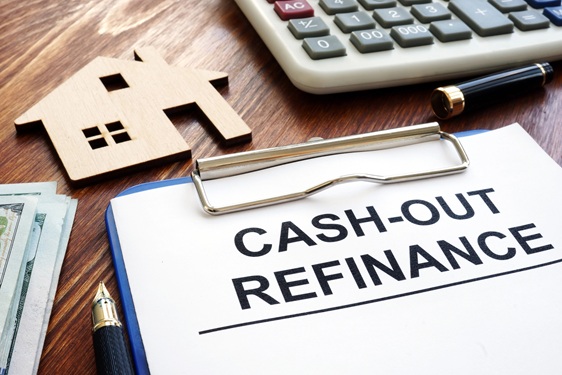
Commercial Cash-Out Refinance: Credit, Value, and Cash Flow Benefits Part III


For property investors looking to unlock capital and improve liquidity, a commercial cash-out refinance remains one of the most flexible financing tools available. Whether your aim is to renovate, expand, consolidate debt, or strengthen credit standing, refinancing with equity opens up new possibilities for growth without selling assets.

This blog is the final part in our series on commercial real estate equity strategies. If you missed the earlier posts, you can revisit Commercial Cash-Out Refinance: What It Is and How It Works – Part I to understand the basics, and explore Commercial Cash-Out Refinance: How to Maximize Equity for Business Growth – Part II to see how refinancing can fund strategic improvements.

Below, you’ll find a detailed look at credit improvement, value appreciation, loan eligibility, and what to expect during the refinancing process.

How a Commercial Cash-Out Refinance Can Improve Your Credit Score

Tapping into the equity of a commercial property can do more than provide working capital. Many investors use the cash released from refinancing to pay off high-interest debts. This immediately lowers credit utilization, which is one of the key factors in determining credit scores.

When existing balances are reduced, and debt-to-income ratios improve, lenders view the borrower more favorably. This opens the door to better loan terms in the future and increases negotiating power. In competitive markets, having a stronger credit profile allows borrowers to act quickly and secure advantageous deals when they arise.

Using Equity from a Commercial Cash-Out Refinance to Raise Property Value

One of the most compelling reasons to pursue a commercial cash-out refinance in Boston MA is to reinvest in the property itself. Renovating outdated areas, upgrading HVAC systems, or enhancing energy efficiency through solar integration can raise both the rental value and long-term resale price.

A well-planned improvement strategy not only appeals to tenants but also drives higher occupancy rates. This in turn raises the net operating income (NOI), a core metric that directly affects property valuation. In effect, refinancing enables the building to fund its own growth without external capital injections.

How Refinancing with Equity Supports Cash Flow Goals

Many owners consider refinancing when their current mortgage terms limit flexibility. By securing new financing with lower monthly payments or longer repayment periods, a commercial cash-out refinance can significantly improve cash flow.

This liquidity can be used to pay investors early, fund expansion projects, or avoid balloon payments on variable-rate loans. In markets like Boston where property values have surged, owners with strong equity positions often choose to refinance to redistribute capital and avoid having idle assets locked into the building.

Strategic refinancing also makes it easier to allocate funds toward tax-advantaged areas such as depreciation or cost segregation, providing longer-term savings.

What You Need to Qualify for a Commercial Cash-Out Refinance

commercial-cash-out-refinance-in-Boston-MA-1-300x200.jpg

commercial cash-out refinance in Boston MA

Eligibility for this type of refinance depends on several standard criteria. Lenders typically look for:

  • Full ownership of the property by the borrower
  • Professional property management, especially for multifamily or commercial units
  • No existing liens that could complicate the refinance
  • Property located in an approved underwriting region
  • Debt service coverage ratio (DSCR) between 1.2 and 1.5
  • Loan-to-value (LTV) ratio under 80%
  • At least 30% to 40% equity remaining after the cash-out

In many commercial markets, including Boston, lenders also prefer borrowers with strong financial reserves and a clean credit history. Borrowers typically retain 20–25% equity post-refinance, even after releasing funds.

Understanding Costs and Terms

While refinancing unlocks capital, it’s essential to account for fees and closing costs to avoid surprises. Common costs include:

  • Lender origination fees (1–3%)
  • Closing costs (2–5%)
  • Potential prepayment penalties on existing loans
  • Legal and title service charges
  • Appraisal and inspection costs

Most refinancing terms run between 15 to 30 years, providing stability through fixed or variable interest options. The average processing time ranges from 30 to 45 days, though delays can occur if documentation isn’t prepared thoroughly or if issues arise during underwriting.

Always budget extra time and capital to accommodate potential bottlenecks.

Why Expert Help Matters for Success

Navigating a commercial cash-out refinance without guidance can lead to missed opportunities or poor structuring. Professionals can assist with comparing lenders, calculating tax implications, optimizing the DSCR, and timing the market for rate changes.

FinanceBoston, Inc. helps ensure your commercial cash-out refinance meets both performance and aesthetic standards.

By understanding when and how to refinance, property owners can reduce risk, increase available capital, and accelerate long-term financial goals. Whether your aim is expansion, renovation, or simply unlocking liquidity, refinancing with equity puts control back in your hands.

Call FinanceBoston, Inc. now to speak with a commercial lending specialist who can walk you through eligibility, rates, and strategies. The right refinance could be the key to unlocking your property’s full potential.

FinanceBoston, Inc.
33 Broad Street
Boston, MA 02109
617-861-2041
https://financeboston.com/
Wednesday, July 23, 2025

Commercial Cash-Out Refinance: How to Maximize Equity for Business Growth Part II


commercial cash-out refinance in Boston MA remains one of the most effective ways to unlock capital tied up in your existing commercial property. Whether you’re seeking growth, financial flexibility, or a chance to reposition your investments, this financial tool can open new doors—without taking on brand-new loans or selling off valuable assets.

This is Part II of our deep dive into the benefits and structure of a commercial cash-out refinance. If you missed the introduction to what it is and how it works, you can catch up here: Commercial Cash-Out Refinance: What It Is and How It Works Part I.

What Makes Commercial Cash-Out Refinance an Attractive Option?

At its core, this strategy allows you to refinance your current commercial loan for a higher amount than you presently owe. The difference is released to you as cash, providing you with usable liquidity while you retain ownership of the property.

Unlike traditional commercial loans, this route often involves fewer restrictions around net operating income or fund usage. This flexibility makes it ideal for reinvestment in both business infrastructure and property portfolios.

Common Reasons Investors Refinance Commercial Property

Unlocking Equity for Strategic Goals
Instead of allowing your property equity to remain dormant, refinancing lets you put that value to work. The released funds can be reinvested into property upgrades, acquisitions, or business expansion.

Responding to Market Shifts
When interest rates drop or lending terms improve, refinancing becomes a valuable option for reducing overhead. Lower monthly repayments or better amortisation terms can enhance your financial agility.

Meeting Immediate Needs
Whether your commercial building needs structural upgrades, code compliance work, or aesthetic improvements to boost tenant value, having quick access to cash is essential. Refinance funds give you the edge to act fast.

Why Choose FinanceBoston Inc. for Your Commercial Cash-Out Refinance?


Commercial-Cash-out-Refinance-in-Boston-MA-300x200.jpg

Commercial Cash-out Refinance in Boston MA

1. Unlock Substantial Equity

If your commercial property has appreciated over time, a refinance allows you to release a portion of that value. It’s your capital—you’re simply accessing it in a more strategic way.


2. Improve Day-to-Day Cash Flow

As a result, by reducing your existing mortgage rate or altering the repayment timeline, you could ease the monthly financial burden. In turn, this provides greater room to handle ongoing expenses or reinvest in business-critical areas.

3. Strengthen Business Credit

Consequently, paying off existing high-interest debts with your refinance funds can result in a stronger credit profile. Eventually, a reduced debt-to-income ratio and lower utilisation can position your business more favorably for future lending.

4. Benefit from Flexible Repayment Structures

Also, FinanceBoston Inc. understands that every business operates differently. That’s why their refinance terms can be tailored to your preferences. Whether you need a longer timeline to spread out payments or prefer fixed over variable interest, you’ll find a structure that aligns with your goals.

What to Expect with Flexible Repayment Options

Additionally, with a commercial cash-out refinance through FinanceBoston Inc., you’re in control of your repayment timeline. You can either select extended terms for smaller monthly payments or opt for accelerated schedules to pay off the loan faster. Also, you get to decide on payment frequency, making it easier to manage your cash flow in a way that suits your operational rhythm.

Is Commercial Cash-Out Refinance Right for Your Business?

The most successful investors use refinancing not as a last resort, but as a growth strategy. So, if your commercial property holds significant equity, and you see a business opportunity on the horizon—this financial solution may be your gateway to getting there. FinanceBoston, Inc. helps ensure that your refinance strategy aligns with your long-term business goals.

Call FinanceBoston, Inc. now to learn how a commercial cash-out refinance can unlock your equity, simplify your finances, and position your business for its next phase of success.

FinanceBoston, Inc.
33 Broad Street
Boston, MA 02109
617-861-2041
https://financeboston.com/

Monday, July 21, 2025

Commercial Cash-Out Refinance: What It Is and How It Works Part I


If you’re a business owner looking for smarter ways to access capital or reduce your monthly financial obligations, a commercial cash-out refinance could be the solution you didn’t know you needed. This is the first part of a three-part blog series that will walk you through what this refinance option is, how it functions, and why more business owners are leveraging it to improve cash flow, expand operations, and strengthen their overall financial health.

So, what exactly is a commercial cash-out refinance, and why is it becoming a go-to strategy for those holding commercial real estate?

What Is a Commercial Cash-Out Refinance?

At its core, a commercial cash-out refinance lets you replace your current commercial mortgage with a new one—often with better terms—and receive a lump sum of cash in the process. Additionally, that cash comes from the equity your property has built up over time. Instead of leaving that equity locked away, you can tap into it and reinvest it into your business, pay off high-interest debts, or handle other pressing financial needs.

The beauty of this approach is that it isn’t just about lowering interest rates or reducing payments. So, it’s about accessing usable capital without selling off valuable property.

How a Commercial Cash-Out Refinance Can Improve Your Financial Standing

For many property owners, one of the standout advantages is the ability to consolidate or eliminate high-interest debt. When you reduce your overall debt load, you improve your debt-to-income ratio—a key factor in determining your creditworthiness. Lowering your credit utilization and freeing up monthly cash flow can help boost your credit profile over time.

In turn, a stronger credit score opens the door to more favorable financing terms in the future. So not only are you solving today’s challenges, you’re also setting your business up for smarter financial opportunities down the line.

Why Business Owners Are Turning to Commercial Refinance

And, in today’s changing economy, more businesses are reassessing how they manage cash flow and access funding. Here are several compelling reasons to consider a commercial cash-out refinance right now:

Lower Monthly Payments:
Refinancing at a lower interest rate can result in reduced monthly obligations, giving you more breathing room in your budget.

Access to Cash from Property Equity:
If your property has appreciated in value or you’ve paid down a significant portion of your original loan, that equity can be converted into spendable capital.

Tax Benefits:
Interest payments on commercial loans may be tax-deductible, offering potential savings at tax time.

Improved Liquidity Without Selling Assets:
Rather than offloading property or equity stakes, refinancing gives you immediate funds while allowing you to retain ownership.

When Is a Refinance Worth Considering?

commercial-real-estate-loan-guide-300x169.jpg

commercial real estate loan in Boston MA

Timing matters when it comes to refinancing. You might consider moving forward with a commercial cash-out refinance if your:

  • Interest rates have dropped since your original loan
  • property’s value has significantly increased
  • business needs immediate access to capital for growth or debt consolidation
  • existing loan is about to balloon or mature
  • You’re dealing with negative equity and need a fresh start

Even if your current mortgage seems manageable, evaluating your options regularly ensures you’re not leaving money on the table.

How to Begin the Refinance Process

Before jumping in, it’s important to have a clear picture of your goals. Are you refinancing to reduce monthly payments? Are you primarily after the cash-out feature to fund something specific? Or are you seeking more favorable loan terms?

From there, you’ll need to gather the right documents. Also, lenders will want to review your property’s financials, your business income, tax returns, lease agreements, and possibly an appraisal. Different lenders offer different options—some with strict underwriting criteria, others with more flexibility but possibly higher costs.

Shopping around for rates is also crucial. Even a slight difference in interest rates or loan terms can have a long-term impact on your overall costs. Don’t be afraid to compare offers from multiple institutions.

And finally, once you’ve secured a lender and agreed on terms, you’ll proceed to closing. This is when the refinance becomes official—and if it’s a cash-out deal, this is also when you’ll receive your funds.

Why This Strategy Makes Sense for Today’s Market

Currently, businesses are navigating a complex mix of rising costs, tighter lending requirements, and unpredictable markets. In this climate, refinancing a commercial property can be a strategic move. Instead of looking outward for funding, you’re tapping into an asset you already own—giving you more control, faster access, and often, more favorable terms.

Stay tuned for Part 2 of this series in our next blog, where we’ll dive into the eligibility requirements, different lender options, and how to evaluate whether refinancing is right for your specific property and business model.

FinanceBoston, Inc. offers guidance and expertise to help you understand your options and make confident refinancing decisions that align with your business goals.

Call FinanceBoston, Inc. now to explore how a commercial cash-out refinance can unlock your property’s value and support your business’s next phase—whether that means growth, stability, or a clean financial reset.

FinanceBoston, Inc.
33 Broad Street
Boston, MA 02109
617-861-2041
https://financeboston.com/
Thursday, July 17, 2025

Smart Ways to Use Commercial Real Estate Loans to Grow Your Portfolio


When you’re looking to expand your investment portfolio, commercial real estate loans can open the door to bigger and more profitable opportunities. Whether you’re planning to purchase a retail center, office building, apartment complex, or even a mixed-use property, the right financing strategy can make all the difference. The process might seem intimidating at first, especially if you’ve only handled residential real estate before. But with the right guidance, these loans can help you scale with confidence.

This blog is for new and experienced investors who want to understand how commercial real estate loans work, when to use them, and how to make them work in your favor.

Why Consider Commercial Real Estate Loans for Your Next Investment?

Securing commercial real estate loans allows you to leverage capital and increase your buying power. Instead of tying up your entire savings in one property, you can spread your funds across multiple investments while using borrowed money to finance your deals. This not only helps you grow faster, but also leaves room for operating costs and property improvements.

Compared to residential loans, commercial financing typically comes with different terms, qualification requirements, and risk levels. You’ll need to think strategically, but the upside can be substantial if you get it right.

Types of Properties You Can Finance with Commercial Real Estate Loans

Meanwhile, commercial loans are designed for income-generating properties. That includes retail spaces, office buildings, industrial warehouses, and large-scale apartment complexes. Even self-storage units, medical buildings, and restaurants fall under this category.

Many investors use these loans to:

  • Buy their first commercial space
  • Expand a current investment portfolio
  • Renovate underperforming properties
  • Refinance existing loans with better terms

If the property generates cash flow, a commercial real estate loan in Boston MA is likely the path forward.

How Do Commercial Real Estate Loans Work?

Commercial loans function differently from residential ones. They often require a larger down payment, shorter loan terms, and may include balloon payments. Lenders assess both the borrower’s financial health and the property’s income potential.

Loan-to-value ratios usually sit between 65% and 80%, meaning you’ll need to cover the remaining portion with equity. Interest rates can also vary based on the loan type, term length, and market conditions. Unlike home loans, commercial loans are often backed by the income the property generates rather than just your personal income or credit score.

Preparing to Apply for Commercial Real Estate Loans

You’ll need to gather specific financial documents to qualify for financing. Most lenders require:

  • A business plan or investment strategy
  • Tax returns (business and personal)
  • Bank statements
  • A rent roll or income projection for the property
  • A purchase agreement or letter of intent
  • Property appraisals and inspections

A strong credit profile and track record will certainly help, but lenders will also focus on the property’s ability to generate revenue. If the investment looks promising and your financials are in order, approval is far more likely.

What Are the Benefits of Financing Your Investment?

Using commercial real estate loans can increase your return on investment. By borrowing to acquire a larger or better-located property, you increase your potential rental income and long-term equity growth. You also keep more cash on hand, which can be used for upgrades, repairs, or even another investment.

With the right loan structure, you may also be able to deduct interest payments and other related expenses at tax time, improving your bottom line.

Risks to Keep in Mind Before You Borrow

Of course, every financial move carries some level of risk. Commercial properties can sit vacant longer than residential homes, and maintenance costs can add up quickly. If your tenants leave or business slows down, repaying the loan might get tricky. That’s why planning, forecasting, and cash reserves are essential.

Some investors jump in too quickly without analysing the long-term cost of the loan or its impact on cash flow. Always review your numbers carefully, and don’t hesitate to work with a financial advisor or commercial broker.

How a Commercial Real Estate Loan Can Fit Into a Long-Term Strategy

If your goal is to build a thriving property portfolio, commercial real estate loans can help you do it without waiting years to save up capital. You can move quickly on time-sensitive deals, reposition outdated properties, or simply diversify the types of buildings you own.

Let’s say you’ve owned two small rental houses for several years. They generate decent income, but growth feels slow. With commercial financing, you could use the equity in those homes as leverage to buy a small retail plaza or 12-unit apartment building. That single move could double or triple your income potential without selling anything you already own.

FinanceBoston, Inc. can assist you in navigating your options and tailoring a lending solution that aligns with your investment timeline and growth goals.

Questions to Ask Before Taking Out a Loan

Before signing anything, ask yourself:

  • How long do I plan to hold this property?
  • What’s my backup plan if the property remains vacant longer than expected?
  • Can I handle the maintenance costs, taxes, and insurance over time?
  • Is this the right moment to expand, or would it be better to wait?

Answering these questions can save you a lot of stress and help you stay clear-headed through the process.

Call FinanceBoston, Inc. now to speak with a commercial loan expert who can help you make sense of your options and guide you through the application process. Whether you’re buying your first building or scaling up a growing portfolio, the right loan could be your key to long-term financial growth. Let’s build something that lasts.

FinanceBoston, Inc.
33 Broad Street
Boston, MA 02109
617-861-2041
https://financeboston.com/
Refinancing Commercial Property: When Does It Make Sense?

Refinancing commercial property can lower borrowing costs, improve cash flow, or release equity for another project. However, the right tim...